Click on any of the main images for a larger view

25 February 2013

Sure signs of Kestrels


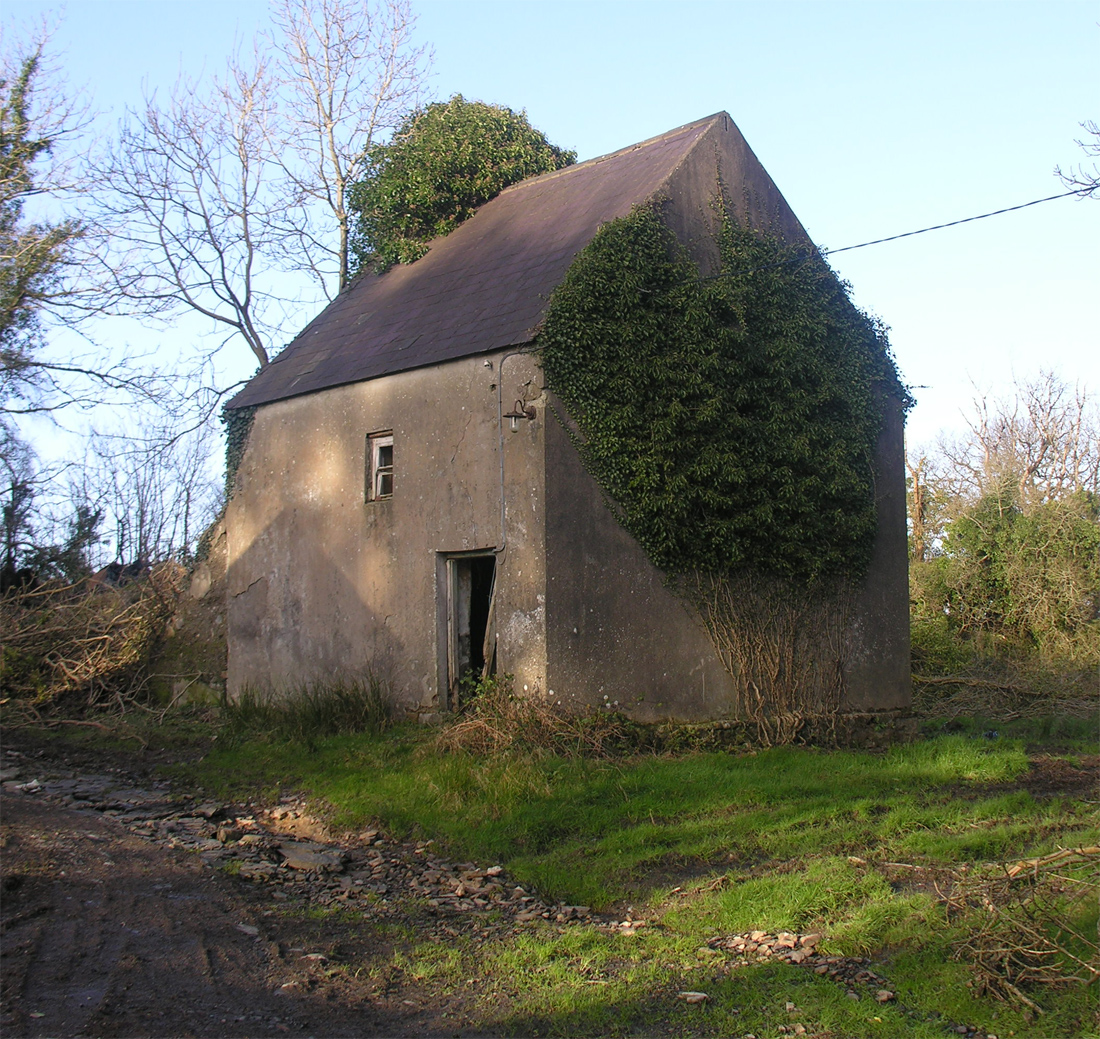
Kestrels will often roost in modern barns and ruined buildings, as well as trees and on cliffs, spending the night perched high on a beam or other sheltered perch or ledge. Modern barns are often used, and during our Kestrel Survey, we examine any suitable (preferably little-used or disused) farm building, like this one above in Co. Kerry, to look for signs of their presence...

...and here it is... 

The photo shows an area of 'whitewash' on the ground, the distinctive 'chalky' droppings of birds of prey, below a high perch in the disused barn. And scattered around, the small, distinctive pellets which Kestrels regurgitate a few times a day. When broken open, they contain the indigestible remains of their prey, mostly fur and bones from mice and shrews, and often beetle wing cases. A nest box placed in this barn has a very good chance of being seen by the local Kestrels, and hopefully they will take to nesting in it this summer.

18 February 2013

Stopping the Jackdaws

At some sites in Ireland, Jackdaws can be a real problem when placing nest boxes for Barn Owls. They also nest in cavities, and once they find one they like, will line it with sticks until the size of the cavity is to their liking. They are such industrious stick collectors that they will quickly fill a large nest box cavity until there is just room for their nest and little more. This renders it useless to Barn Owls. Thankfully this has only happened at one of our sites so far, and if Barn Owls move in, only the most foolhardy of Jackdaws would go near it (see an example of this on this page HERE.


Although we normally recommend the type of nest box shown on this page HERE, there are one or two sites where a specially adapted box can be used to thwart Jackdaws. The double entrance on this box means the Jackdaws have trouble manoeuvring large sticks around the corners and into the main chamber, and the high second entrance also means that if the Jackdaws put sticks into the first, smaller chamber, the second will not be blocked. It seems to work!


This box was placed high in the rafters of a derelict school in Co. Kerry, last week. The design should deter any interested Jackdaws, and the outer covering of tarpaper will help keep out the elements in this rather exposed site. The rest is up to the Barn Owls...

(Photos: M.O'Clery).

15 February 2013

A helping hand


Landowners and farmers are vital to the success of the Duhallow Project, and without exception, we have received nothing but friendliness and cooperation during our work. Joe, pictured below, not only allowed us to place a Barn Owl box in one of his barns last week, but showed us to two other ideal sites, such as the derelict house above (Photos: M.O'Clery).

12 February 2013

Getting ready

Spring is on it's way, and we are gearing up for the 2013 breeding season. There is still time for putting up nest boxes, and five more Barn Owl boxes were installed during the week.


Disused barn in Duhallow, now containing a Barn Owl nest box (Photos: M.O'Clery).

Two boxes were placed in Kerry and three in cork, and they were installed in disused barns (including the one pictured above), an old piggery shed and a derelict house.

14 December 2012

One final Barn Owl nest found 2012

Thanks to an interested member of the public contacting us, one more Barn Owl nest has been located in Duhallow, perhaps the last for 2012. The birds have nested successfully in the chimney of an abandoned cottage for at least the last three summers. This brings the total number of known Barn Owl sites in Duhallow to 36, of which 21 are nests and 15 are active roost sites. This represents one of the highest densities of Barn Owls in the country. 

Barn Owl nest, in the central chimney, Duhallow (M.O'Clery).

51 out of 113 nest sites nationally are in chimneys and 33 out of the 113 are in derelict farm houses/cottages, so this nest site is about as typical a Barn Owl nest site as they come, though this summer there were a series of less typical sites used for nesting, such as an old water tank, tree cavities and an unfinished new building.

11 November 2012

More sites for nest boxes

New nest box sites were identified throughout Duhallow during last summers' fieldwork, and after permission was granted from landowners, the boxes are now being put in place. They are all placed in trees, little-used buildings and/or barns. Winter is the perfect time to install them, as the territorial instinct in Kestrels and Barn Owls is low, and it will be late winter and early spring before their thoughts turn to nesting in the summer. Hopefully birds will discover the carefully placed boxes and move in to breed.


A Kestrel nest box is placed just inside an open-sided barn.


This old water tower on a private estate is a ready-made site for a Barn Owl box.


This Barn Owl nest box has been placed in the attic space of a derelict farm house. A Barn Owl was seen here last July, so the chances of the box being found by owls is high. FIngers crossed!


Another Kestrel nest box is placed on a Scots Pine in an area of open woodland and farmland.

30 October 2012

New nest boxes installed

As part of the Duhallow Raptor Conservation Project additional nest boxes for Kestrels and Barn Owls are now being installed at carefully selected sites throughout Duhallow. By putting them in place in late autumn, it is hoped that birds will see and investigate them over the winter months, and perhaps nest in them next spring.


Newly installed Kestrel nest box in Duhallow, October 2012.


Another Kestrel nest box now in place in Duhallow. 

Kestrel boxes are best placed in a reasonably prominent spot, where the birds have a clear flight path to the entrance. They also need to be at least 10 feet (3m) above ground, preferably higher, to lessen the risk of ground predators such as Pine Marten or cats from climbing up to them.


A new Barn Owl nest box installed in an upper floor of an old shed in Duhallow. Although placed inside a building, there are a number of important considerations to be met at each site. The site with the box should be free of disturbance, the box should be at least 9 feet (3m) from the ground) and there must be clear access into and out of the building. In this case, three open windows provide access and any owl arriving at the window would immediately see the box (all photos by Michael O'Clery).

For nest box designs and tips for installing them, see this page HERE

2 October 2012

Duhallow chick found dead

Mortality of young Barn Owls, like all bird species, is highest in the first few months of life. Unfortunately, we received news of the demise of one of three chicks, ringed at a tree nest site near Newmarket this summer. The young female was found dead near Kanturk yesterday, only about 10km from where she was born. The cause of death is unknown, but she had been dead for some time.


 Young Barn Owl, after being ringed at the Newmarket site in July this year (M.O'Clery).

In studies in England, young Barn Owls rarely move more than a few tens of kilometres from their birthplace, but in Ireland we are only beginning to learn about their movements. We have already seen an unprecedented 80 km movement of a ringed, mature female in Duhallow (see this post HERE), and there has been a series of other unusual movements recorded so far in the national ringing scheme, so we have much to learn about how fledgling Barn Owls disperse from their nest sites in Ireland. The death of this bird will add a little more to out knowledge about their lives, and hopefully about how best to protect them into the future.

7 September 2012

NestCam Barn Owl in trouble

Many viewers of the popular Barn Owl nest box camera, based near Tralee, (see this post HERE) were dismayed to see the female chick returning to the nest box covered in oil on Tuesday night. It seems she dived into an oil container in which a rat had been struggling, though luckily for her, she was able to fly just enough to return to the box, otherwise she might not have been seen to be in trouble. She was rescued the next day, and it is hoped, will make a full recovery.


The wing and tail feathers cleaned up fairly well with the liberal application of warm water and detergent, however, the body feathers in particular were badly matted, and will need further cleaning. It is hoped the bird will recover sufficiently in the coming days to be returned to the nest box. You can read the full story on the RTE website, HERE.

UPDATE - Unfortunately the owl died, on 7th September, from ingestion of oil.

1 September 2012

Difficult time for young Barn Owls

Over the past few years, around this time of year, a number of young Barn Owls have been reported to us, seemingly injured or otherwise in distress. It seems that a small number of owlets leave the nest a little too soon, and are sometimes unable to return to the nest to be fed. In other cases, young birds have been found in difficulty some distance from the nest. Either way, each September, one or two owl chicks are reported which, rather than being injured, are actually undernourished and often critically underweight. This seems to be related to the birds being unable to feed themselves, or of poor weather occurring just at the point when they have left the nest to become independent. Three examples are shown below.


To see a Barn Owl in daylight in Ireland is remarkable, but this bird also shows large areas of downy white feathers still on the body. It is barely able to fly and it seems was blown off its high chimney nest and was unable to return. It would certainly have died without human intervention, but was successfully returned to the nest the following morning. Co. Kerry, 2009 (Photo: Eric Dempsey).


 Another owl in daylight, this time near Kilflyn in Co. Kerry in autumn 2010. The bird being out in daylight, wings drooped, a slightly disheveled look, and being so tame, would all indicate that this bird is in serious trouble. It is possible it could have been poisoned, though most likely it is a young bird which was unable to find food. Its fate is unknown (Photo: with kind permission, Karen Davison).


This unfortunate young owl was only out of the nest two weeks or so when it was handed in, in a seriously weakened condition after being been picked up from the ground just 50 m from the nest in a chimney of a two-story farmhouse. This was after a period of prolonged, heavy rain over three days in early September, which probably meant it couldn't hunt. It weighed only 220 grammes instead of a more typical 280, and despite much attention, died the following morning (Photo: M.O'Clery).

If you do come across an owl in a weakened condition, do let us know. It takes considerable care and expertise to nurse a badly undernourished bird back to health. Unfortunately, a few birds succumb each year, and with the wet weather continuing, it is possible that you might see or hear of one.